

CLIENT STORY: Teaching & Mentoring Young Leaders
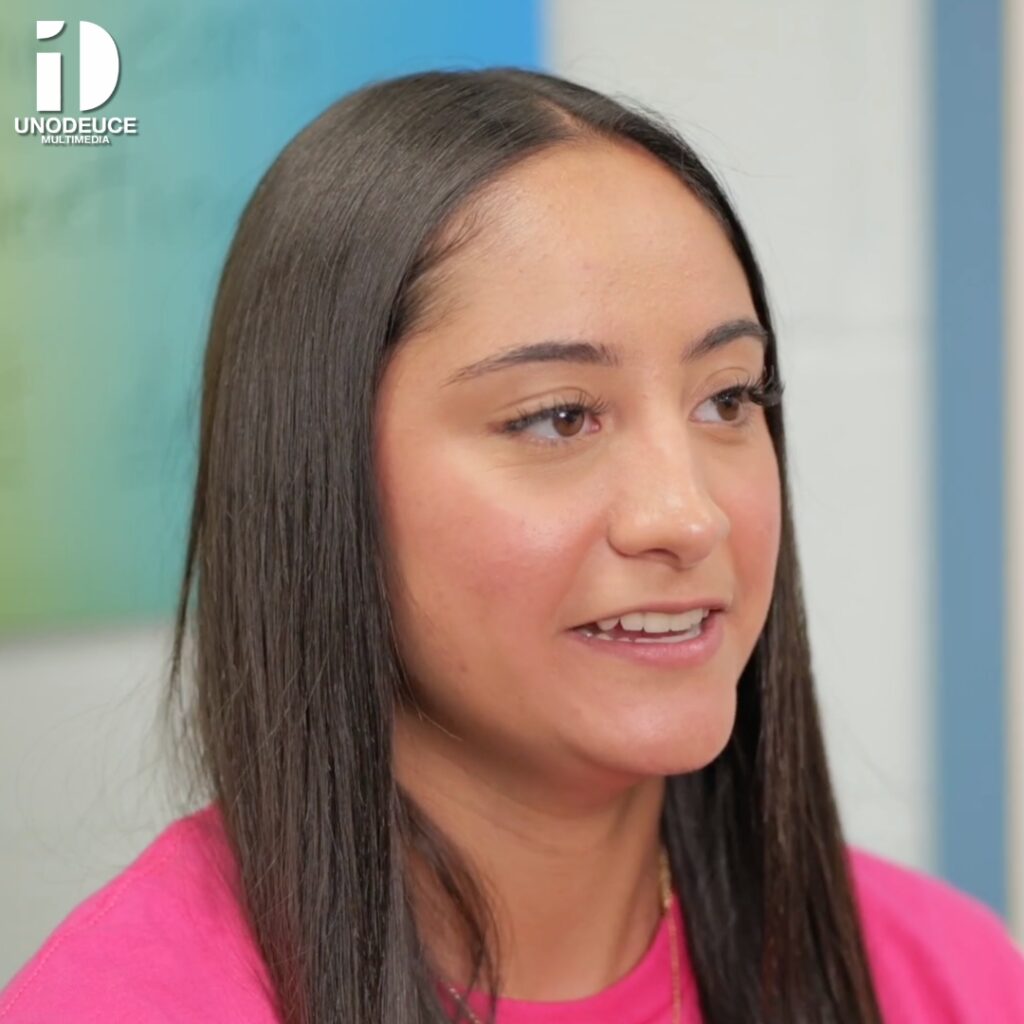
Teaching and Mentoring Young Leaders Highlights Soluna Fuentes: Building Lasting Connections Through Tennis
For Soluna Fuentes, tennis has always been about more than what happens on the court. Her journey with Teaching and Mentoring Young Leaders (TMYL) began as a participant. Years later, she is helping guide the next generation of young people through the same programs that played a role in her own growth.
It is a journey that has taken Soluna from after-school and tennis programs to junior coach, full-time coach and eventually tennis director. Along the way, she has discovered that one of the most meaningful parts of coaching has little to do with forehands, backhands or keeping score. It is about knowing the kids.
From Participant to Coach
Soluna has been part of TMYL for six to seven years, giving her a unique perspective on the organization and its programs. She knows what it is like to be a young participant because she was one herself.
“I was actually a participant in the program, so I was doing all of the after-school programs, all of the tennis programs.” That experience became the starting point for a much bigger role.
At 16, Soluna transitioned from participant to junior coach. The move gave her an opportunity to take what she had learned and begin sharing it with younger participants. As she continued to grow, so did her responsibilities. She eventually moved into a full-time coaching position before becoming a tennis director.
The transition also gave Soluna the opportunity to learn from the people who had mentored her. Working alongside experienced coaches helped shape her approach and showed her what it means to be both a leader and a learner. That combination continues to influence the way she works with young people today.
Knowing Every Kid
For Soluna, one of the most rewarding parts of her job is getting to know the individual kids who come through TMYL.
“But that’s my favorite part, is getting to know every single kid in the program.” It is a simple idea, but one that can make a significant difference.
Every young person arrives with a different personality, different abilities and different needs. Soluna makes an effort to recognize those differences, even when she is not the coach working with a particular child every day.
Her goal is for every kid in the program to know who she is. That means building relationships that extend beyond the tennis court. It means learning names, getting to know personalities and creating connections that can make a young person feel seen and valued.
For Soluna, those relationships are not an extra part of coaching. They are at the center of it.
More Than Tennis
Teaching tennis requires instruction, practice and patience. But being a coach can involve much more. Soluna’s experience reflects the role a coach can play as a mentor, motivator and trusted adult. The relationship between a coach and a young athlete can create opportunities to learn lessons that reach beyond the sport itself.
For young participants, the court can become a place to develop skills while also learning about responsibility, persistence and working with others. And those lessons do not necessarily end when a player steps off the court.
Whether a child continues playing tennis or eventually chooses a completely different path, the relationships built along the way can remain meaningful. That is part of what makes Soluna’s role so important. She is not simply helping young people become better tennis players. She is creating connections with them during a formative part of their lives.
A Connection That Lasts
Soluna understands that she cannot coach every child every day, but that does not mean she cannot have an impact.
“Even if I don’t coach them daily, I hope to build some kind of connection and relationship to them. Hope to see them.”
That sentiment captures what makes her journey at TMYL unique. She started out as one of the kids in the program. She experienced the value of mentors and coaches firsthand. Now, she has the opportunity to provide that same kind of presence for someone else.
The path from participant to coach is more than a change in title. It represents growth, trust and the opportunity to give back to a program that helped shape her.
The Next Generation
Soluna’s story is a reminder that youth programs can create impact that extends far beyond a single season or a single match. When young people have coaches who know them, encourage them and take the time to build genuine relationships, the experience becomes about more than learning a sport.
It becomes about belonging.
For Soluna Fuentes, that is what makes coaching meaningful. Her journey through TMYL has allowed her to grow from participant to leader, while continuing to build the kinds of connections that can last long after the tennis lesson is over.
And for the next young person walking onto the court, there is a coach ready to learn their name, know their story and hopefully make a lasting difference.